In that URL: http://portafolioevaluacion-chameleonladies.blogspot.com.es/
you can find our last work in SOyER.. HOPE YOU ENJOY IT!
And this is the presentation of our ePortfolio:

A blog for documenting the work of our group in the course #SOyER1112 at the UM
miércoles, 23 de mayo de 2012

miércoles, 9 de mayo de 2012
martes, 8 de mayo de 2012
Chart of Finland and Spain
In Finland
|
In Spain
|
Each hour of class, 15 minutes of break
|
Each 2 hours of class, 15 minutes of break
|
Public and
private are free
|
Only public are free
|
Books lunch
and transport are free
|
Books lunch and transport are not free
|
The degree of
primary teacher it hard 5 years
|
The degree of primary teacher it hard 4
years
|
The subjects
in the school mixt math, language, science, art, sport and bricolage, cooking.
|
The subjects in the school are math, language,
sciences, art, sport.
|
They read a lot
|
They read only a few books
|
There are some
teacher in the classroom for helping the children that are more backward
|
There is only a teacher in the classroom
that help all children
|
They invest a
lot in research and technology
|
They don’t invest in research
|
of every 100
euros invested in education 6
|
1% only invested in education
|
Children started
to read and write with 7 years
|
Children started to read and write with
3 years
|
There are some
psychologists in the school
|
There is only one in the school
|
sábado, 5 de mayo de 2012
Our reflection this week
OUR
REFLECTION ABOUT THIS WEEK
Hello people!
I’m Noelia, the analyst this week.
I´m going to
reflect about the activities done during this week.
- What was the best part of the activities?
The
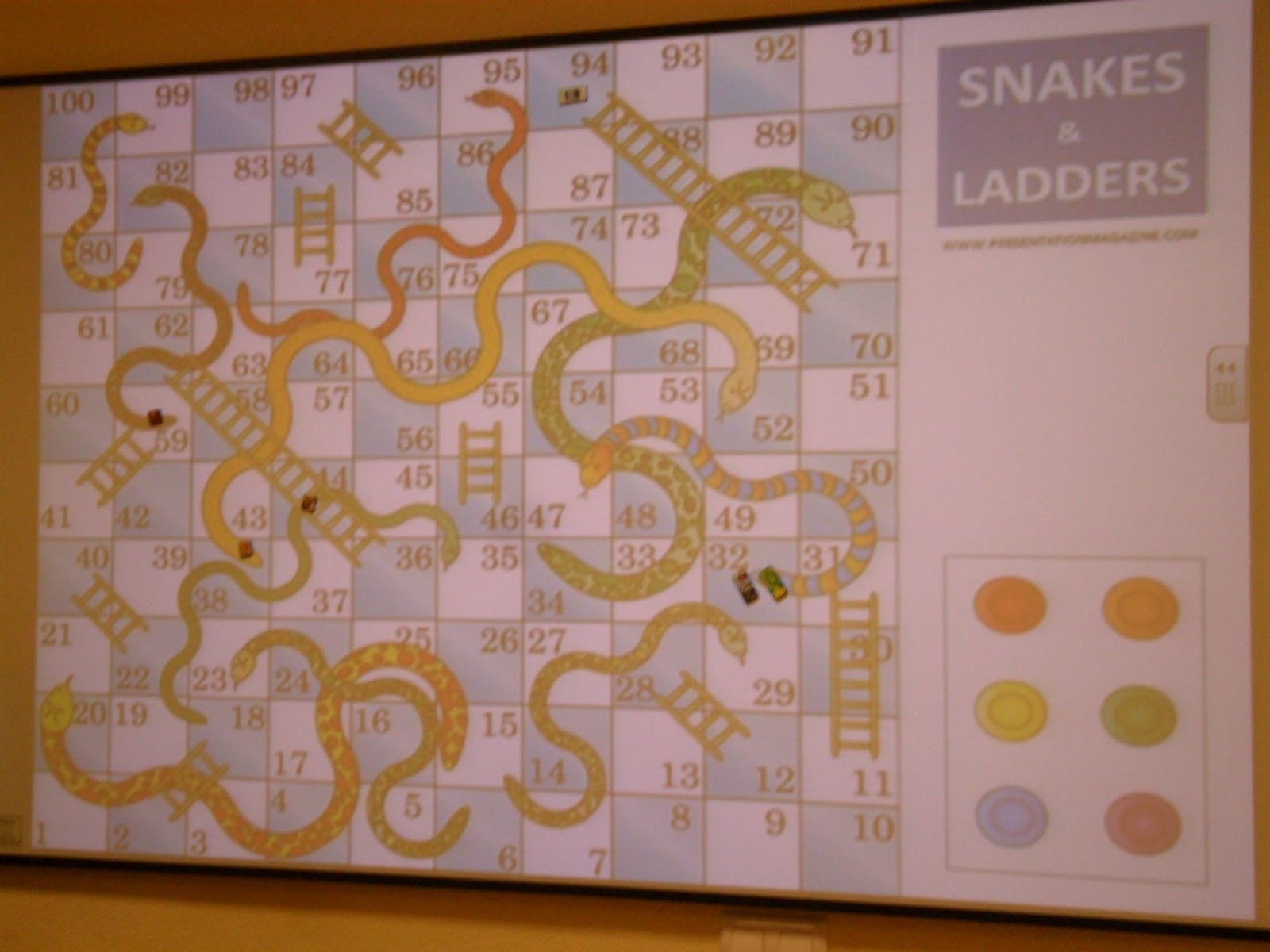
best part of the activity was playing the game. It was so exciting
because we can down lines if we taught a head of a snake. And we want to win the prize so all groups were so nervous.
- What was the worse of the activities?
The worst of
the activity was find the information and write the cards. It was so
difficult because we don't have very clear if the question was good
or not. Also we think to put yes /no questions but we can't because
the question must be with open answer.
Moreover there were some
topics that were so difficult and we don't understand many things but
we were investigating and more or less understand them.
- What was the best moment of the week (in the work of the group)?
The
best moment of the week was playing the game. It was so exciting and
we were so nervous because we want to win the prize. And also Linda
give as a prize for doing the best cards so we were so happy :)
- What was the worse?
The worst
moment was when we felt in a box twice and we lost the prize. We had
study a lot and we have given the best of us. But as says Linda This
is life!
- What have you learnt?
We have known
a bit of our regulation, and information about the topics such as
management, school time and grouping, other structures and
variations, financing issues, differences between public and private
schools, assessment and certification,teaching methods and laws and
structures.
- What do you need to conserve -as a group- for the next weeks?
We have to
keep as a group our desire to work hard, also keep it the good way
that we complement us together and our good humour in difficult
times.
- What do you need to improve –as a group- for the next weeks?
We have to try to work more efficiently,
trying not to spend time.
Snakes & ladders

And this is the prize that we won for doing the best cards... WE WON THE FIRST PRIZE!
2 extra points in the ePortfolio :-)

miércoles, 2 de mayo de 2012


jueves, 26 de abril de 2012


martes, 24 de abril de 2012
QUESTIONS FOR THE GAME
FINANCING ISSUES:
-In the case that you need a grant for assistance, for commuting to school, urban transport, board, school material and fee exemption. Also your family is low income and you haven't got an educational certificate. In addition, you have good marks. Which grant category will you get?
-Named the financing differences between private and public schools.
-Where has it source the total budget allocated to education in Spain?
-What do the Public educational institutions have to do communicate the organisation and use of their resources?
-How many types of subsidy arragements exist and what are their names?
-Who is in change of preparing the budget?
-A private school is free when…?
-If your daughter studied in a centro concertado, where are the budget taken out for this education?
-If a private school receives public funds only in some of their expenses, what type of educational agreements does it receive?
-Why LODE and LOE establish a system of subsidies with public funds to finance private schools?
-The nearest school of Ana’s house is 5km away and she has morning and afternoon classes. What is the minimum that State has to pay her?
-What is the only level in education which you have to pay for it?
-Which three bodies have to participate in the elaboration of the annual budget in a public school?
-What are the duties of the “educational agreement”?
-Public spending is landmarked for public education for centros concertados and to finance scholler _______ and _________
-The total budget allocated to education in Spain has its source in public funds, regional and local authorities and…
-Which are the caracteristics that have to have a school to receive a general subsidy?
-What is the region where there isn’t any grant?
SCHOOL TIMETABLE-GROUPS:
-Your son is 7 years old (his birthday was in March and now it is April) In which educational stage is he? In which cyle is it? In which school year is he?
-In a primary class in general, in between what intervals would we find the number of pupils?
-Who determines and why teaching time in Spanish schools?
-Who is the response of setting the number of hours in each cycle and territory?
-We have a primary class which has been established to have 23 students maximum. Why?
-What percentage of a timetable in a school represents the curriculum that the Automous Community of Murcia has to elaborate?
-How are allocated the school holidays?
-You are the head master of a school and you want to organize next tear weekly school timetable. Once it has been approved school management team, what will he/she has to do?
-You want to meet your son’s foreign language music and mathematics teacher, how many teachers will you meet?
-If you were a student who turned 10 in January, what year would you be in at school? How many years and cycles have you passed and how many have you got left to complete?
-In what way is the primary school timetable distributed both daily and weekly?
-Which is the main criteria to form class groups?
-What do educational authorities of autonomous communities have to do with weekly timetables?
-Which is the maximum number of pupil per group established by law for the Entire State?
-Choose the correct statement:
A: the school year 2009/2010 comprises a minimum of 175 days distributed between the first for night of September and late June
B: the school year 2009/2010 comprises a maximum of 175 days distributed between the first for night of September and late June
C: the school year 2009/2010 comprises a minimum of 175 days distributed between the late September and the first fortnight of June
-The school class groups are normally formed arround age groups but, children can be grouped by another two criteria, which?
-Who approved the school weekly timetable?
-If you were a primary school teacher how many hours have you have to spend teaching?
jueves, 19 de abril de 2012

domingo, 15 de abril de 2012

Suscribirse a:
Entradas (Atom)